
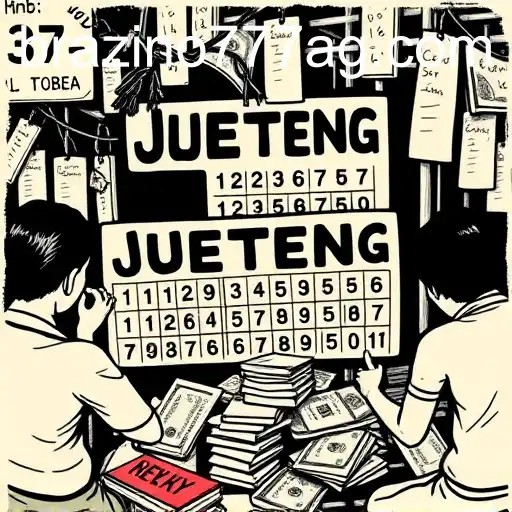

Understanding Jueteng: The Infamous Numbers Game
Jueteng is an illegal numbers game that holds deep-rooted significance in the cultural and social landscape of the Philippines. Despite numerous government efforts to eradicate it, the game continues to thrive across the country, impacting local communities and politics alike. This game, often likened to a lottery, has persisted through decades due to its integration into the daily lives of many Filipinos.
The Mechanics of Jueteng
Jueteng is simple in its execution. It involves two-number combinations typically ranging from 1 to 37. Players place their bets on what they believe will be the winning numbers drawn by the operators. These bets are collected by what are known as "cobradores" or collectors, often going from house to house in various neighborhoods. Once collected, the betting slip and money are given to the "kubrador" or supervisor, who then forwards it to the "capitalista" or financier.
The winning numbers, traditionally chosen twice a day, have no official oversight, leading to public skepticism about its fairness. However, this lack of regulation is often overshadowed by the thrill of potential returns. Winners can take home a substantial percentage of the pot, making the game particularly enticing for those in pursuit of financial windfalls.
Socio-Economic Impact
The game's persistence can largely be attributed to economic factors. In regions plagued by poverty and unemployment, Jueteng offers a glimmer of hope for financial improvement, albeit slim. The daily play and small stakes make it accessible to the masses, generating widespread participation. Moreover, the proceeds from Jueteng often serve as an informal financial aid system in rural areas, with operators distributing portions of their earnings for community projects or assistance.
However, Jueteng also comes with significant social costs. As an illegal operation, it circumvents taxation, depriving the government of potential revenue that could be used for public services. Moreover, it contributes to a culture of illegality, often tying into other forms of corruption and crime.
Political Entanglements
Another complex layer of Jueteng's existence is its integration within the political realm. Throughout history, various political figures have been implicated in scandals involving the game, accused of receiving payoffs to overlook its operation. These deep-seated ties often render anti-Jueteng campaigns ineffective as local officials, and police might be compromised.
Magically interwoven with the political fabric, Jueteng has occasionally been used as a tool for gaining votes, with operators sometimes mobilizing their networks to sway election outcomes. This unsavory intersection between politics and gambling erodes trust in both local and national regimes.
Efforts to Curb Jueteng
Over the years, the battle against Jueteng has been contentious. Various administrations have launched campaigns aiming to dismantle these operations, often with limited success. Anti-gambling laws exist, but enforcement remains challenging due to its clandestine yet widespread nature.
Some proposed solutions include the legalization of Jueteng under strict regulation, arguing it could lessen its corruptive impact while providing much-needed tax revenue. Others propose education and increased economic opportunities in affected areas, aiming to eliminate the underlying poverty that fuels its demand.
The Future of Jueteng
Despite the hurdles, Jueteng endures. Its future hinges on the balance between regulation and societal change. Only time will determine whether it continues to ride under the radar or if substantial changes in policy and opportunity can reduce its grip on Filipino society.
The question of Jueteng's existence highlights broader societal issues, reflecting a need for comprehensive strategies addressing poverty, corruption, and law enforcement integrity. Until such measures are effectively implemented, Jueteng's numbers game might continue to play out across the archipelago.